

 Facebook
 X
X
 Pinterest
 Copy Link
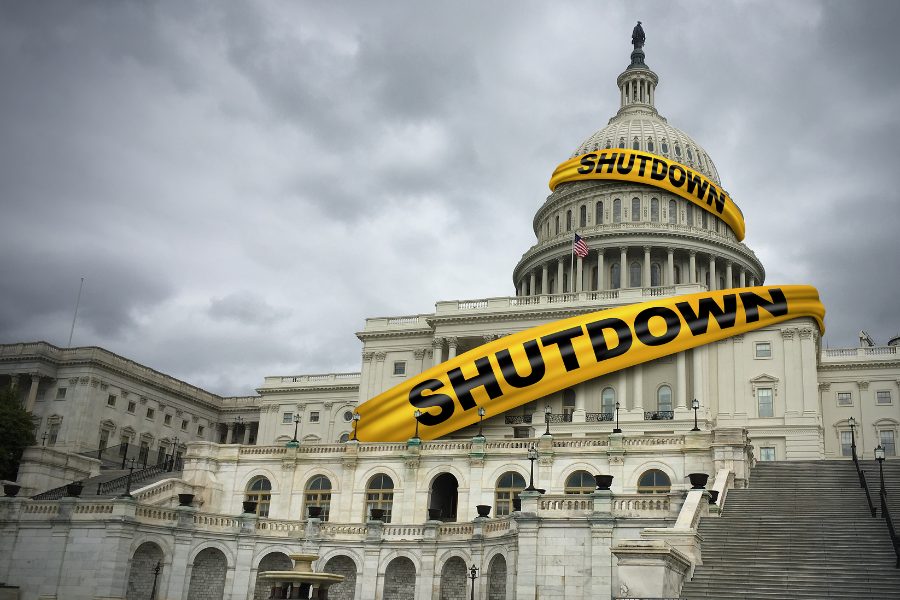
How the Government Shutdown Affects Your East Bay Real Estate Transaction (And What We’re Doing About It)
 The government shutdown just became the longest in United States history at 37 days, and if you’re buying or selling a home in the East Bay
right now, you need to understand exactly how this affects your transaction. I’m seeing real confusion among buyers and sellers about what’s actually frozen, what’s still moving forward, and most importantly, what specific steps we can take to keep your deal on track.
Here’s the reality: approximately 30% of California real estate transactions are at risk of delays right now. That’s 6,900 monthly sales statewide that could face extended timelines, documentation challenges, or require alternative strategies to close. In the East Bay specifically, if you’re using FHA, VA, or USDA financing, or if your property is in a flood zone, the shutdown creates obstacles we need to navigate together with data-driven solutions.
The good news? Your transaction can absolutely close during the shutdown. It requires proactive planning, clear communication about potential delays, and systematic workarounds for each issue. After analyzing current industry guidance from Fannie Mae, Freddie Mac, and the California Association of Realtors, plus the latest developments from this historic shutdown, I’ve identified the exact problems affecting East Bay buyers and sellers and the specific solutions that are working right now.
What’s Actually Frozen and What’s Still Operating
 Let me break down the operational reality with specific numbers so you understand exactly where delays are occurring.
The IRS furloughed 46% of its workforce on October 8 (34,000 employees), leaving only 53% of staff working. This creates the single biggest bottleneck for mortgage transactions. Tax transcript processing through Form 4506-T (the standard paper request) is completely suspended. Form 4506-C through the Income Verification Express Service continues, but with processing times extended from 2-3 business days to 5-10+ days, and as we approach six weeks, delays are worsening daily, with some transcripts now taking 15-20 days.
HUD operates with just 1,209 active employees during the shutdown, down from the normal staffing of 8,573. FHA single-family loans continue to be endorsed, but anything requiring manual HUD review, including condo project approvals, is frozen. If you’re buying an East Bay condo with FHA financing, we need to verify immediately whether your building has Direct Endorsement Lender Review and Approval Process (DELRAP) status, which allows closings to proceed, or requires the frozen HUD Review and Approval Process.
VA loans remain the most resilient option with 97% operational capacity. The VA maintained most services through carryover funding, though Certificates of Eligibility and appraisals may see 2-3 week delays due to reduced staffing (up from the initial 1-2 week estimates as the shutdown has extended). USDA loans face complete operational shutdown with no new loan commitments being issued at all.
The National Flood Insurance Program’s authorization expired on September 30, creating a dual crisis. NFIP cannot issue new policies or process renewals. If your East Bay property is in a Special Flood Hazard Area (which affects specific neighborhoods near creeks and waterways throughout Alameda and Contra Costa counties), this creates an immediate problem we’ll address with specific solutions below.
Federal Employee Income Verification Challenges
For East Bay residents who work for federal agencies (and we have many commuting to federal offices in Oakland, San Francisco, and throughout the region), employment verification becomes significantly more complex. With 670,000 federal employees furloughed and another 730,000 working without pay nationwide, traditional Verification of Employment is difficult when HR departments operate with skeleton crews or are closed entirely.
The critical workaround: both Fannie Mae and Freddie Mac issued guidance waiving the verbal VOE requirement for federal employees if lenders document their attempts and certify the borrower remains employed at loan delivery. This means your lender can proceed with alternative documentation, including recent pay stubs showing year-to-date earnings, W-2 forms from prior years, and bank statements highlighting regular direct deposits.
However, a new concern has emerged with the shutdown now being the longest in history. Some federal employees have missed multiple paychecks, raising questions about their ability to maintain reserve requirements and debt-to-income ratios. If you’re a federal employee buyer, we need to have a conversation with your lender about how they’re documenting your expected return-to-work income versus your current furlough status.
How Fannie Mae and Freddie Mac Are Keeping Conventional Loans Moving
This is where systematic understanding of mortgage guidelines becomes crucial. Both government-sponsored enterprises issued comprehensive temporary guidance on October 1 that creates a framework allowing most transactions to proceed despite federal agency disruptions.
The cornerstone is the 90-day post-closing quality control mechanism. This existing policy allows loans to close without tax transcripts actually in hand, provided borrowers sign Form 4506-C at or before closing. Lenders then have 90 days to complete the full post-closing QC cycle and obtain transcripts during this window. Both Fannie Mae and Freddie Mac explicitly state they don’t expect the shutdown to impact lenders’ ability to obtain transcripts within that timeframe, assuming the shutdown won’t exceed approximately 75-80 days.
With the shutdown now at 37 days and no resolution in sight (particularly after yesterday’s off-year elections showed mixed results that haven’t created momentum for negotiations), this assumption is being tested. Some lenders are becoming more cautious about closing loans that rely heavily on post-shutdown verification, particularly for self-employed borrowers.
For W-2 wage earners in the East Bay, this means your conventional loan can proceed with minimal delays. Your lender will collect your most recent pay stubs, W-2s from prior years, bank statements showing direct deposits, and have you sign Form 4506-C at closing for future verification. This documentation package is fully compliant with GSE guidelines and allows your transaction to close on schedule or with only 5-10 day delays.
The Self-Employment Income Challenge
If you’re self-employed, the situation becomes more complex. Tax transcripts remain mandatory for self-employment income verification with no acceptable alternatives under GSE guidelines. This creates potentially significant delays of 60-90+ days for loan processing compared to the normal 30-45 day timeline.
The systematic approach I’m recommending for self-employed East Bay buyers: immediately pull your own IRS transcripts online through IRS.gov using the “Get Transcript Online” tool. This requires identity verification but delivers transcripts instantly, bypassing the shutdown-delayed paper processing. Provide these directly to your lender while also signing Form 4506-C for official verification. This dual-track approach establishes your income documentation early while positioning your file for the post-closing QC requirement.
For sellers who are self-employed and selling an East Bay investment property or second home where capital gains calculations require tax documentation, work with your CPA now to organize alternative documentation, including business bank statements, profit and loss statements, and prior year tax returns.
FHA, VA, and USDA Loan Processing in the East Bay
Let me provide specific guidance based on your loan type, because each federal program faces different operational challenges with this extended shutdown.
FHA Loans: Processing with Increased Delays
FHA loans continue to be endorsed, but with extended timelines. Processing times have increased from 30-50 days to 50-75 days as the shutdown has stretched beyond 30 days. If you’re using FHA financing to purchase an East Bay single-family home, your loan will proceed with an extra 15-25-day buffer built into the timeline.
For East Bay condos, the situation depends entirely on the building’s approval status. Buildings with DELRAP approval proceed normally because lenders self-certify without requiring HUD personnel involvement. Buildings requiring manual HUD review under HRAP are completely frozen until the government reopens. I maintain a database of East Bay condo buildings and their approval status, so contact me immediately if you’re considering a condo purchase, and I’ll verify the specific building’s status before you write an offer.
The critical action item for FHA buyers: verify your financing contingency period extends to at least 60 days (preferably 75 days, given the shutdown’s unprecedented length) to accommodate processing delays. Request that your lender provide a written letter documenting shutdown impacts so we can negotiate timeline extensions with sellers backed by objective documentation.
VA Loans: Still the Strongest Option
If you’re a veteran or active military member purchasing in the East Bay, VA loans represent your best option during the shutdown. With 97% of VA employees continuing to work, core operations remain functional. The VA Loan Guarantee Program operates on carryover balances, allowing loan guarantees to continue.
The two areas where you’ll see delays: Certificates of Eligibility may take an extra 2-3 weeks (increased from initial 1-2 week estimates), and appraisals face similar delays due to reduced staffing. The workaround is requesting your COE immediately at application using the VA eBenefits online portal rather than waiting for your lender to order it through slower channels.
Build 10-17 day buffers into closing timelines for VA loans, significantly less than FHA or conventional loans with self-employment income. Processing times have extended from 35-50 days to 50-70 days as the shutdown has continued, but this remains more reliable than other government-backed options.
USDA Loans: Complete Operational Freeze
USDA loans face the most severe impact. The agency cannot issue new loan commitments or guarantees during the shutdown, and these commitments are required for USDA loans to close. If you were planning to use USDA financing for a property in the East Bay’s rural-designated areas, we need to pivot immediately to FHA or conventional financing if you qualify for these alternatives.
The only exception: loans with valid conditional commitments issued before October 1 may proceed at the lender’s own risk, though most lenders are declining to take this risk, given the shutdown’s unprecedented length. If you’re already in contract with USDA financing, contact me immediately so we can assess whether switching loan types is feasible or whether we need to negotiate extended timelines with the seller, contingent on government reopening.
 The Flood Insurance Crisis and Private Insurance Solutions
 The Flood Insurance Crisis and Private Insurance Solutions
The National Flood Insurance Program lapse creates immediate problems for East Bay properties in Special Flood Hazard Areas, particularly properties near creeks and waterways throughout Alameda and Contra Costa counties.
With NFIP authority expired on September 30, no new policies can be issued, and no renewals can be processed until Congressional reauthorization. Existing NFIP policies remain valid through their full policy term, and claims continue to be paid as long as FEMA has available funds (though FEMA’s borrowing authority dropped from $30.425 billion to $1 billion during the shutdown, creating risk if major flood events occur).
Three Systematic Workarounds
First, existing NFIP policies can be assigned from seller to buyer using NFIP Form W-17069. This substitutes your name for the seller’s without reissuing the policy, allowing coverage to continue seamlessly through the original policy term. If you’re purchasing an East Bay property with an existing NFIP policy, we’ll coordinate with the title company to complete this assignment at closing.
Second, federal banking regulators suspended the statutory flood insurance requirement during the NFIP lapse, leaving individual lenders to decide whether to proceed with closings in flood zones without coverage. This carries significant risk for you as the buyer, and I don’t recommend proceeding without flood protection regardless of lender flexibility.
Third and most recommended: private flood insurance provides a comprehensive solution. Private carriers, including Neptune Flood, AIG, Zurich, Progressive, and others, are fully operational and unaffected by the shutdown. Private flood insurance often provides better coverage than NFIP, with limits reaching $500,000 to $7 million for building coverage (compared to NFIP’s $250,000 limit) and shorter waiting periods of 10-15 days versus NFIP’s 30 days.
The critical exception: FHA loans currently don’t accept private flood insurance, so if you’re using FHA financing for an East Bay property in a flood zone, policy assignment becomes your only viable option. For conventional and VA loans, private flood insurance is fully accepted and often provides cost savings in low-to-moderate risk areas.
I work with insurance agents who specialize in flood coverage and can provide quotes within 24-48 hours. For East Bay properties where flood zone status is uncertain, I can pull FEMA flood maps during our initial consultation to determine whether this affects your specific property before you write an offer.
Timeline Extensions and Contract Provisions
Based on industry guidance from the California Association of Realtors and historical data from the 2018-2019 shutdown (which lasted 35 days and is now exceeded by the current shutdown), here are the specific timeline adjustments I’m implementing for East Bay transactions.
For conventional loans with W-2 wage earners, add 7-14 day buffers (increased from initial 5-10 day estimates). For conventional loans with self-employed borrowers, add 20-40 days due to transcript dependencies (up from initial 15-30 day estimates). For FHA loans, add 15-25 days accounting for reduced HUD staffing (increased from 10-15 days). For VA loans, add 10-17 days despite 97% operational capacity (up from 7-14 days). For USDA loans, plan for indefinite delays and explore switching loan types immediately.
Financing contingency periods should extend from the standard 30 days to 60-75 days for government-backed loans (increased from the initial 45-60 day recommendations given the shutdown’s unprecedented length). Rate lock periods need cushioning with 75-90 day locks versus standard 45 days. Most major lenders are extending rate locks without penalty when delays are shutdown-related.
Contract Language That Protects Your Interests
I’m incorporating specific shutdown contingency language into all purchase agreements using CAR’s standard addendum forms. This includes automatic extension clauses tied to government reopening, mutual right to cancel without penalty if the shutdown exceeds 45 days (updated from 30 days given current duration) with earnest money return provisions, and specific force majeure language mentioning government shutdown impacts.
For federal employee buyers or sellers, I include special provisions acknowledging that employment and income verification may be delayed, with additional protections given that the shutdown is now the longest in history. This provides protection against default claims and establishes clear expectations with all parties about shutdown-related delays beyond anyone’s control.
For sellers, I’m recommending written acknowledgment that government-backed loan delays aren’t buyers’ fault and result from federal shutdown impacts. This creates the foundation for negotiating extended closing dates with potential seller compensation for delays where appropriate, or rent-back agreements where buyers rent properties from sellers if closings must be delayed.
Political Climate and Outlook for Resolution
With yesterday’s off-year elections in New Jersey and Virginia showing mixed results, there’s no clear political momentum for ending the shutdown. President Trump continues to pressure Senate Republicans to eliminate the filibuster (though this appears unlikely), and Senate Democrats have blocked the House-passed continuing resolution 14 times as of today.
The practical reality for your real estate transaction: plan as if the shutdown will continue for another 30-45 days minimum. This means all the timeline extensions I’ve outlined above should be considered conservative estimates, not worst-case scenarios. Some economists estimate the shutdown will cost the GDP $14 billion if it extends through eight weeks, and we’re already past five weeks.
The Congressional Budget Office estimates that furloughed worker compensation costs roughly $400 million per day, creating additional pressure for resolution. However, with both parties dug in on their positions (Republicans wanting a clean continuing resolution, Democrats demanding Affordable Care Act subsidy extensions), there’s no clear path to agreement.
For your planning purposes, this means building maximum flexibility into timelines, having backup financing options if possible, and maintaining open communication with all parties about realistic expectations.
What East Bay Buyers Should Do Right Now
If you’re planning to purchase an East Bay home in the next 30-60 days, take these systematic steps immediately to position your transaction for success despite shutdown challenges.
Contact your lender and verify your loan type’s specific shutdown impacts with current processing time estimates reflecting the 37-day duration. Request written documentation of any expected delays so we have objective evidence when negotiating with sellers. If you’re using FHA, VA, or USDA financing, ask your lender about their specific workaround procedures and alternative documentation packages they’re accepting under current Fannie Mae and Freddie Mac guidance.
Pull your own IRS transcripts online through IRS.gov right now. This takes 5-10 minutes with identity verification and gives you instant access to transcripts that would otherwise face 15-20+ day delays through lender channels (up from initial 5-10 day delays as the shutdown has extended). Provide these directly to your lender alongside signing Form 4506-C for official post-closing verification.
Gather all income documentation early. Collect W-2s from the past two years, your most recent 60 days of pay stubs, three months of bank statements showing direct deposits, and any employment verification letters your HR department can provide. If you’re a federal employee, obtain a furlough letter and written confirmation of return-to-work eligibility. This front-loaded documentation package prevents last-minute scrambles when closing dates approach.
For properties you’re considering, verify flood zone status before writing offers. I can pull FEMA flood maps for any East Bay address to determine whether NFIP or private flood insurance will be required. If the property is in a flood zone, we’ll immediately contact insurance agents to secure private flood insurance quotes or verify existing NFIP policy assignment options before you commit to the purchase.
Build extended timelines into your purchase strategy. Plan for 60-75 day closing timelines rather than standard 30-day closes (increased from initial 45-60 day recommendations). This positions your offer as realistic and achievable rather than aggressive and likely to fail, making sellers more comfortable accepting your offer despite shutdown uncertainties.
What East Bay Sellers Should Understand
 What East Bay Sellers Should Understand
If you’re selling your East Bay home during the shutdown, you need to understand how this affects your buyer pool and what constitutes reasonable accommodation versus unnecessary delay.
Buyers using conventional financing with W-2 wage income represent your lowest-risk buyer pool right now. These transactions face minimal to moderate delays (7-14 days) and have clear workaround procedures through Fannie Mae and Freddie Mac guidance. Buyers using FHA financing face moderate delays (15-25 days, increased from initial estimates), while VA buyers face similar timelines but with higher reliability due to 97% VA operational capacity.
The highest-risk buyers currently are those using USDA financing (complete freeze requiring loan type switches) and self-employed buyers using conventional financing (20-40 day delays due to tax transcript requirements, up from initial 15-30 day estimates). This doesn’t mean rejecting these buyers, but it does mean negotiating extended closing timelines and potentially requesting higher earnest money deposits to compensate for increased uncertainty.
For buyers facing legitimate shutdown-related delays, I recommend negotiating rather than walking away. Options include extending closing dates by 21-30 days (increased from initial 14-21 day recommendations given the shutdown’s unprecedented length), accepting per-diem compensation from buyers for delays ($100-150/day is typical), or creating rent-back agreements where buyers rent your property at market rate until their loan can close. These accommodations keep transactions together while compensating you for the extended timeline.
The critical question to ask: is this delay shutdown-related and beyond the buyer’s control, or is this buyer disorganization and poor planning? I’ll help you analyze specific situations with documentation from lenders to distinguish between legitimate federal impacts and buyer performance issues.
If your buyer’s lender provides written documentation that IRS transcript delays, flood insurance unavailability, or federal agency staffing shortages are preventing closing, these are legitimate shutdown impacts worthy of accommodation. If the buyer simply hasn’t completed their loan application or provided required documents, that’s a performance issue requiring different remedies.
Frequently Asked Questions
Can my conventional mortgage close without IRS tax transcripts?
Yes, conventional mortgages can close without transcripts in hand if you sign Form 4506-C at or before closing. Fannie Mae and Freddie Mac’s 90-day post-closing quality control mechanism allows lenders to obtain transcripts after closing during the QC process. This applies to W-2 wage earners with alternative documentation packages. Self-employed borrowers still need transcripts for income verification, which creates longer delays (now 20-40 days as the shutdown extends) but doesn’t prevent closing once transcripts are eventually obtained.
How long will government shutdown delays add to my closing timeline?
Timeline extensions depend on your specific loan type and income documentation, with estimates increasing as the shutdown has now become the longest in history. Conventional loans with W-2 income: 7-14 days (up from initial 5-10 days). FHA loans: 15-25 days (up from 10-15 days). VA loans: 10-17 days (up from 7-14 days). Conventional loans with self-employment income: 20-40 days (up from 15-30 days). USDA loans: indefinite delays requiring loan type switches. These are current industry averages based on a 37-day shutdown. If the shutdown extends beyond 45 days, delays will increase proportionally.
What happens if I’m buying an East Bay condo with FHA financing?
Your transaction depends on whether your specific condo building has DELRAP (Direct Endorsement Lender Review and Approval) or requires HRAP (HUD Review and Approval Process). DELRAP buildings proceed normally because lenders self-certify without HUD personnel. HRAP buildings are frozen until the government reopens, which could be weeks or months, given that the shutdown is now the longest in history. Contact me with your specific building address, and I’ll verify approval status before you write an offer so you understand exactly what timeline to expect.
Is private flood insurance more expensive than NFIP?
Not necessarily. Private flood insurance typically costs 20-40% more than NFIP for high-risk properties but often provides savings in low-to-moderate risk areas. Neptune Flood and other carriers use AI-based individual property risk assessment rather than NFIP’s zip-code approach, which can result in lower premiums for properties with favorable characteristics. The tradeoff: switching from NFIP to private insurance breaks continuous coverage, meaning you lose grandfathered rates if you later want to return to NFIP. For new purchases during the NFIP lapse, private insurance is often your only option and frequently provides better coverage limits and shorter waiting periods.
Can I still get a VA loan during the shutdown?
Yes, VA loans remain the most reliable government-backed option, with 97% of VA employees working through the shutdown. The VA Loan Guarantee Program operates on carryover funding, allowing loan guarantees to continue. You’ll see 2-3 week delays for Certificates of Eligibility and appraisals (increased from initial 1-2 week estimates as the shutdown has extended to 37 days), but core operations remain functional. Request your COE immediately using the VA eBenefits online portal rather than waiting for lender processing to minimize delays. Build 10-17 day buffers into closing timelines and expect processing to take 50-70 days versus the normal 35-50 days.
What should federal employees do if they’re buying or selling during the shutdown?
Federal employees face unique challenges with employment verification when HR departments operate with skeleton crews, plus new concerns about maintaining reserve requirements and debt-to-income ratios when missing multiple paychecks. Fannie Mae and Freddie Mac waive the verbal VOE requirement if lenders document their attempts and certify that you remain employed at loan delivery. Gather recent pay stubs showing year-to-date earnings (even if older than the normal 30-day requirement), W-2s from prior years, bank statements showing direct deposits, furlough letters, and written confirmation of return-to-work eligibility. Your lender can use these alternative documents under current GSE guidance. If you’re selling an East Bay property, disclose your federal employment status upfront so buyers and their lenders can plan appropriate documentation strategies. With 670,000 employees furloughed and 730,000 working without pay, this affects a significant portion of the workforce.
How do I know if my East Bay property is in a flood zone?
I can pull FEMA flood maps for any East Bay address to determine flood zone designation. Properties in Special Flood Hazard Areas (typically designated as Zone A or Zone V) require flood insurance for mortgage approval. Throughout Alameda and Contra Costa counties, properties near creeks and waterways most commonly fall into flood zones. The determination is property-specific based on elevation and proximity to waterways, so even neighboring homes may have different flood zone designations. During our initial consultation for any property, I verify flood zone status so you understand insurance requirements before writing an offer.
Will the shutdown affect my home’s appraised value in the East Bay?
The shutdown doesn’t directly affect property values or appraisal methodology. However, with the shutdown now the longest in United States history at 37 days and no resolution in sight, broader economic impacts could affect consumer confidence and buyer demand. Historically, the 2018-2019 shutdown (35 days) showed home sales dropped from 5.31 million nationally in December 2018 to 4.97 million in January 2019 (during the shutdown), then rebounded to 5.31 million in February 2019 after the government reopened. The East Bay’s strong fundamentals, including excellent schools, convenient commute access, and limited inventory, should provide insulation against significant value impacts unless the shutdown extends considerably longer. The bigger concern is transaction delays rather than value changes, though if the shutdown extends beyond 60 days, we may start seeing demand softening.
Your East Bay Transaction Can Close Successfully
The government shutdown has now become the longest in United States history, but it doesn’t have to derail your East Bay real estate transaction. The key is systematic analysis of your specific situation, proactive documentation gathering, realistic timeline planning, and clear communication with all parties about what’s in your control versus what’s subject to federal operations.
For conventional loans with W-2 income, workarounds are well-established through Fannie Mae and Freddie Mac guidance, and your transaction can proceed with moderate delays (7-14 days). For government-backed loans, alternative documentation packages and extended timelines allow closings to move forward despite reduced federal staffing. For flood insurance challenges, private carriers provide comprehensive solutions unaffected by NFIP authorization lapses.
The East Bay market entered this shutdown from a position of relative stability with balanced inventory and strong buyer demand from families attracted to our schools and community. These fundamentals remain intact regardless of how long federal appropriations battles continue. Your real estate goals don’t need to be postponed; they simply require adjusted strategies during this unprecedented disruption.
Let’s Analyze Your Specific Situation with Current Market Data
The East Bay market shifts daily, and the strategies that worked last month might not work today with shutdown complications layered on top of normal market dynamics. With the shutdown now at 37 days and no clear resolution path, you need real-time analysis and a systematic approach tailored to your specific situation, not generic advice that leaves you guessing about whether your transaction can actually close.
Let’s schedule a no-pressure conversation where I’ll analyze your exact scenario with current market data and shutdown-specific guidance. Are you buying with FHA, VA, or conventional financing? Is your property in a flood zone requiring insurance solutions? Are you self-employed, facing transcript delays? Are you a federal employee needing alternative income verification? Each situation requires different workarounds, and I’ll map out the precise strategy for your circumstances.
Choose how you’d like to connect: grab coffee in Castro Valley, where we can review flood maps and lender guidance together, schedule a video call at whatever time works with your schedule, or just text me your questions and I’ll respond with specific answers for your situation.
The only thing you’ll regret is waiting while opportunities pass you by or allowing preventable delays to derail your transaction. I’ve successfully navigated previous government shutdowns in 2018-2019 and 2013, and I’m applying those proven strategies (updated for this unprecedented 37-day duration) to keep East Bay transactions closing despite current federal disruptions.
